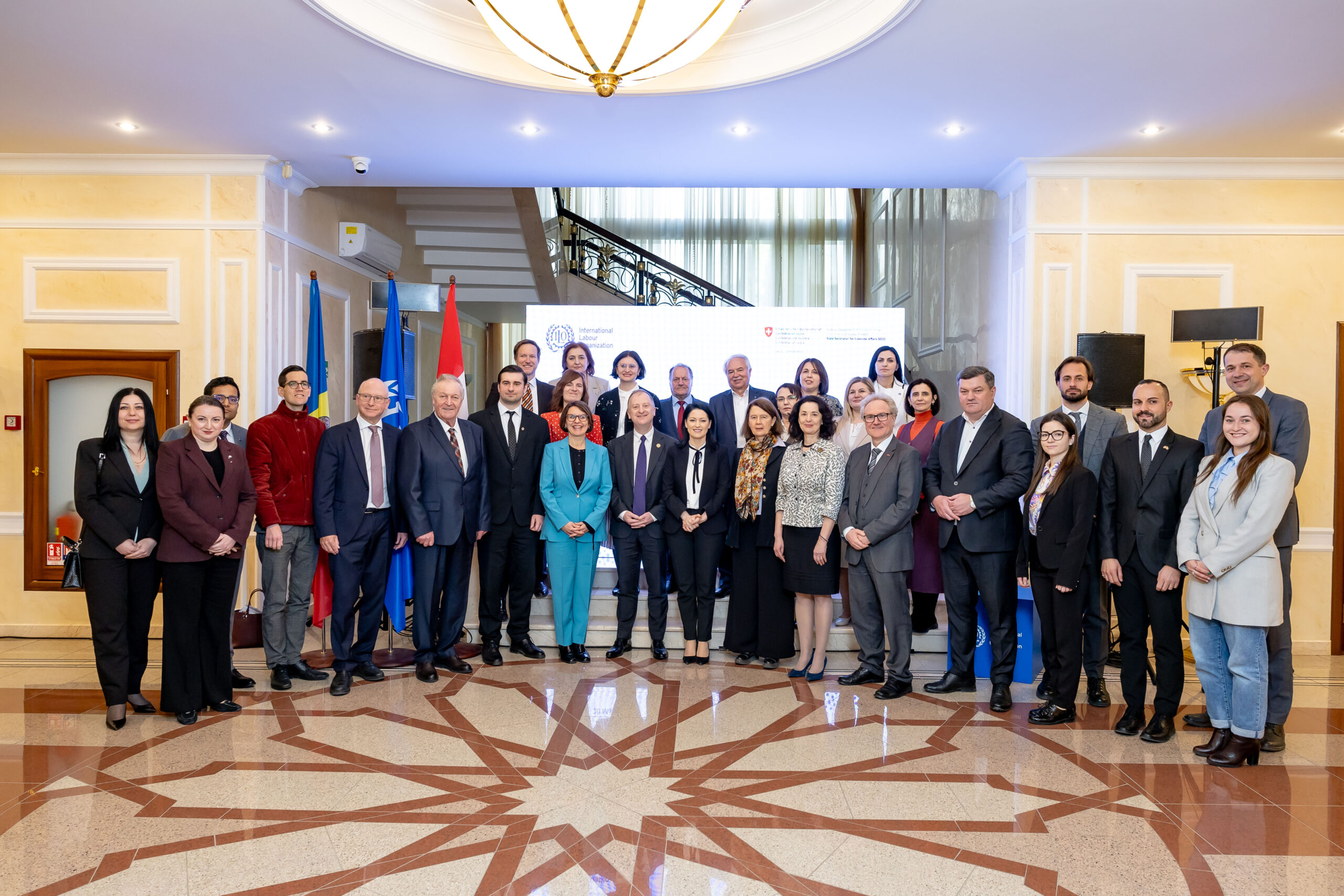
On March 20, 2026, the second phase of the project “Productive and Inclusive Employment in Moldova” was officially launched in Chișinău. The project is implemented by the International Labour Organization (ILO) with financial support from the Swiss State Secretariat for Economic Affairs (SECO). The event brought together representatives of public authorities, social partners, international organizations, and development partners.
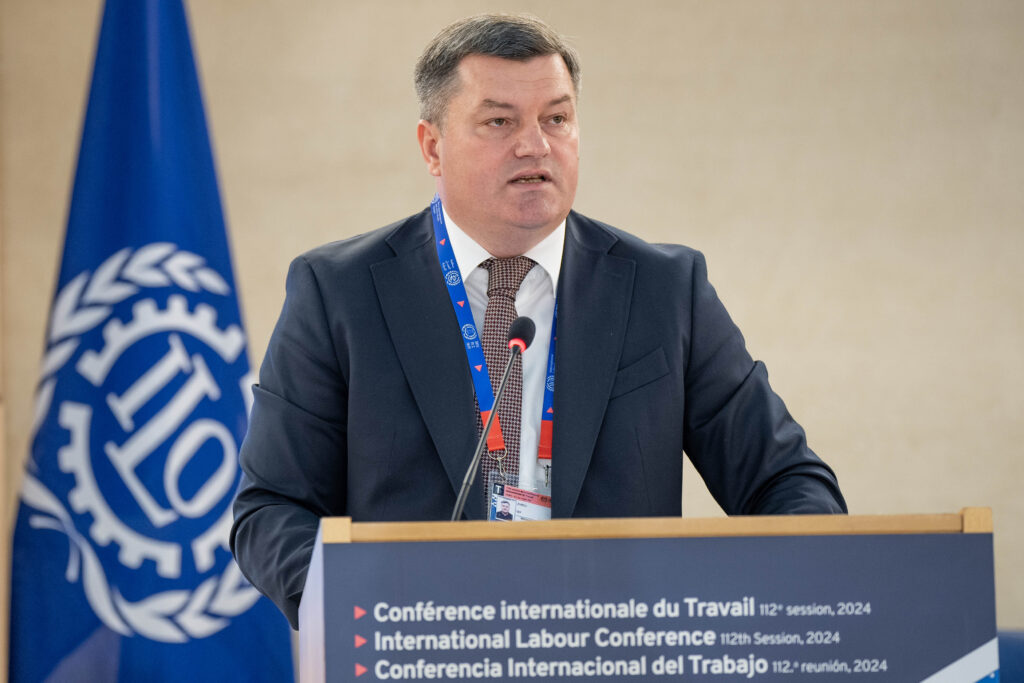
During the launch event, the President of the National Trade Union Confederation of Moldova (CNSM), Igor Zubcu, highlighted the importance of the initiative for the sustainable development of the labor market in the Republic of Moldova. He also expressed appreciation for the continued support provided by the ILO and SECO in promoting decent work.
According to Igor Zubcu, employment remains a fundamental pillar of decent work, while ensuring safe working conditions, fair wages, and effective social dialogue is essential for both citizens’ well-being and the country’s economic growth.
The CNSM President also referred to the results achieved during the first phase of the project, including strengthened social dialogue at the local level, the development of Local Employment Partnerships, and improved cooperation between authorities, trade unions, and employers. He noted that the seven partnerships implemented so far have proven effective in creating and formalizing jobs, as well as reducing labour market disparities.
Furthermore, Igor Zubcu emphasized the key role of tripartite social dialogue in building resilient local economies and improving working conditions. He also pointed to the importance of modern information tools developed with partners’ support, which help employees better understand and defend their rights.
Reaffirming CNSM’s commitment to the project, Igor Zubcu stressed that such initiatives create real opportunities for citizens and encourage them to remain and work in the Republic of Moldova.
The new phase of the project will build on previous results and expand actions in key areas, including employment promotion, enterprise development, formalization of the economy, and strengthening of social dialogue and labor market institutions. The project also contributes to the implementation of the Decent Work Country Programme 2025–2027.